Stage 01

Reconnaissance reveals how attackers reduce uncertainty before intrusion.

This page explains the difference between passive and active reconnaissance, why the stage matters, and what defenders can monitor for early warning signs.

Reconnaissance overview

Reconnaissance is the first stage of most attacks

During reconnaissance, attackers collect information about a target organization, system, or network before attempting intrusion. The goal is to reduce uncertainty and identify potential entry points.

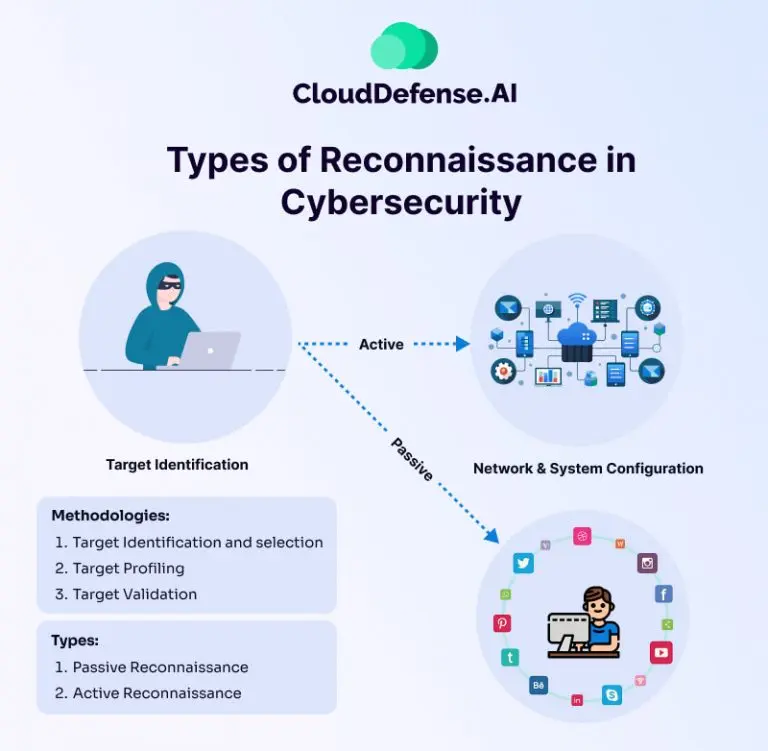
Reconnaissance can generally be divided into two categories: passive reconnaissance and active reconnaissance.
Passive and active reconnaissance

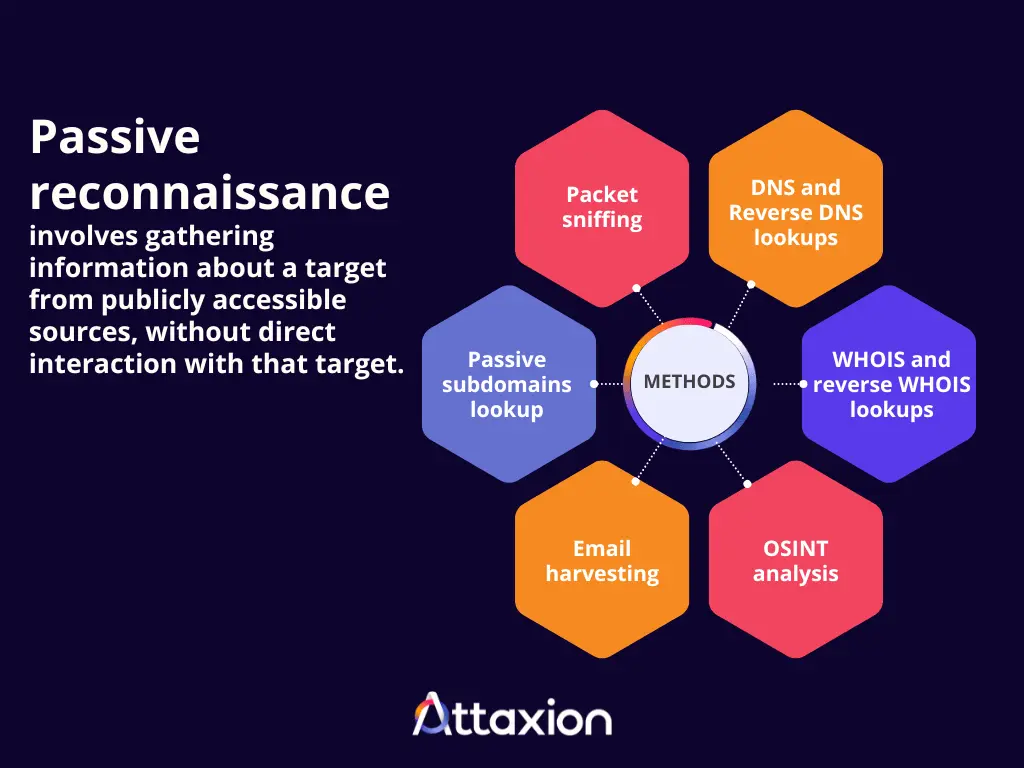
Information gathering without direct target interaction

Passive recon includes examining public records, searching domain registration information, reviewing social media, or analyzing leaked credentials from previous breaches. Attackers often begin here because these techniques are difficult for defenders to detect.

Diagram showing passive reconnaissance sources such as social media, WHOIS records, public records, breach data, and company websites feeding attacker intelligence.

Direct interaction creates more precision and more risk

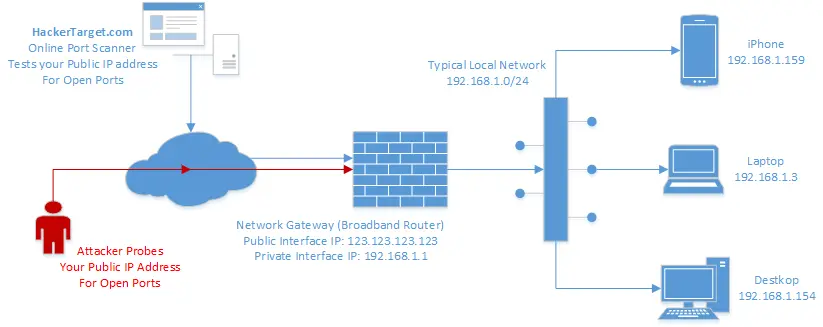
Active reconnaissance may involve scanning a network to identify open ports, probing web servers to determine software versions, or mapping exposed services. It provides more precise information, but it is also more likely to trigger firewalls, intrusion detection, or suspicious logging events.

Diagram showing an attacker scanning an internet-facing network through a firewall to discover exposed services and open ports.

Reconnaissance defender perspective

Why this stage matters to defenders

Reconnaissance often represents the earliest detectable stage of an attack. Monitoring unusual scanning behavior, abnormal DNS requests, and large scale probing attempts can provide valuable warning signs before an attacker gains access.

Comparison graphic showing passive reconnaissance versus active reconnaissance with detection difficulty, visibility, and defender response notes.