Stage 06

Command and control allows compromised systems to receive instructions and return data.

This page explains how attacker-controlled infrastructure communicates with infected hosts and why outbound network visibility is essential for defenders.

Command and control overview

Communication between compromised hosts and attacker infrastructure

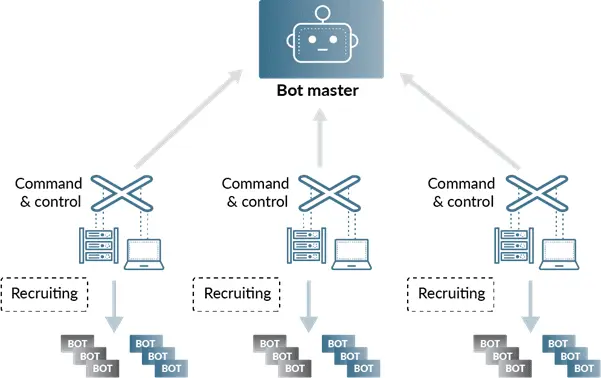
Command and Control, often abbreviated as C2, refers to communication between a compromised system and an external attacker-controlled server. Once established, the attacker can send commands, receive data, and coordinate activity across multiple hosts.

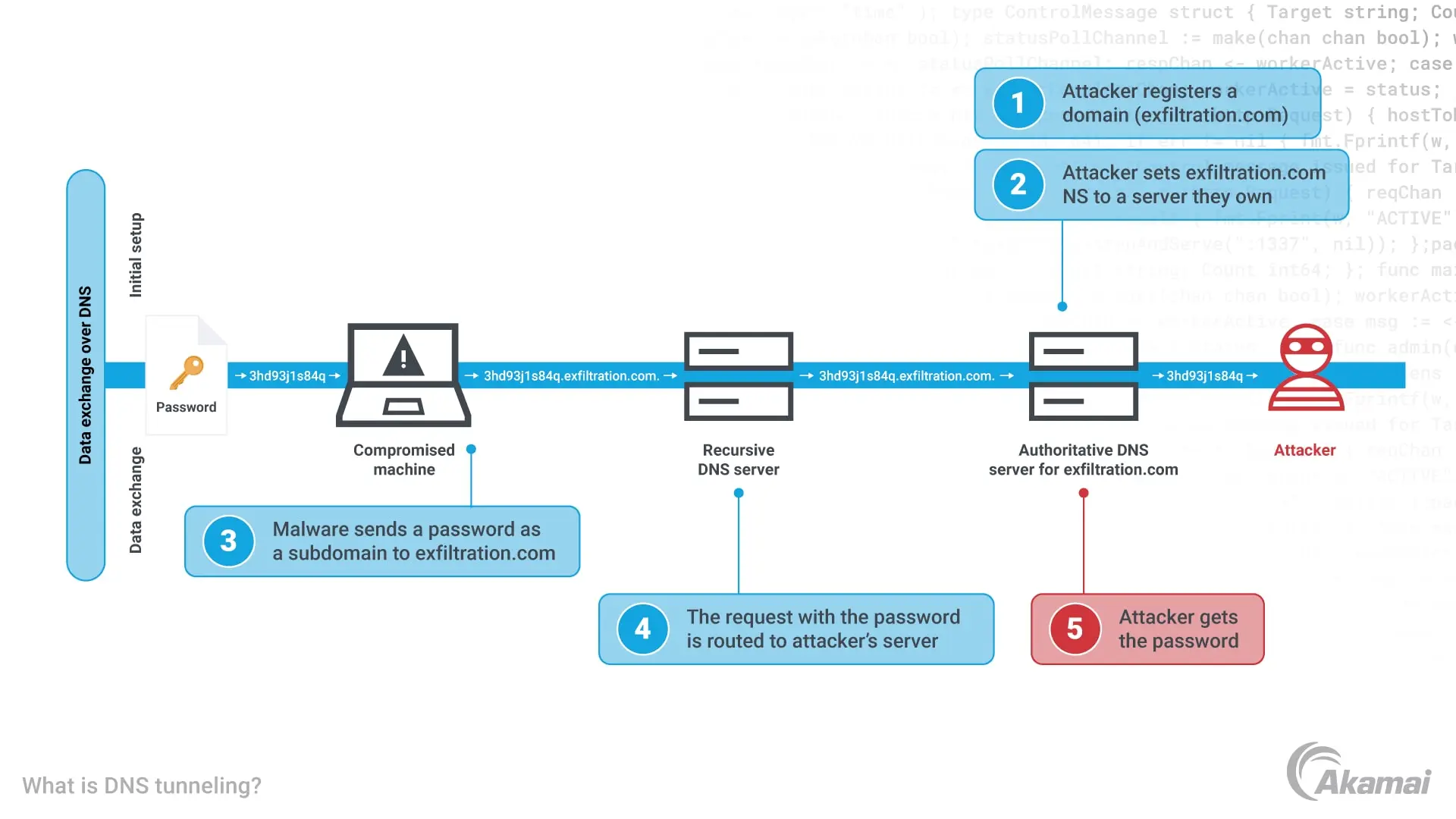
Command and control traffic may use protocols such as HTTP, HTTPS, DNS, or other encrypted channels, often disguised to resemble normal network activity.
Command and control operations and detection

Tasking, response, and coordination

C2 enables a compromised host to receive instructions, upload information, and remain coordinated with attacker objectives over time.

Diagram showing command and control architecture with an attacker server, redirector, encrypted channel, and multiple compromised hosts communicating outward.

Analyze suspicious outbound traffic patterns

Security teams analyze network traffic to identify suspicious beaconing, unusual destinations, protocol misuse, or encrypted channels that do not match expected application behavior.

Dashboard-style graphic showing outbound traffic analysis with beacon timing, suspicious domain lookups, HTTPS anomalies, and DNS tunneling indicators.