Stage 04

Privilege escalation and persistence turn a foothold into durable, high-value access.

This page explains why attackers seek elevated permissions, how persistence helps them survive disruption, and what defenders can monitor for suspicious changes.

Privilege escalation and persistence overview

From limited permissions to durable control

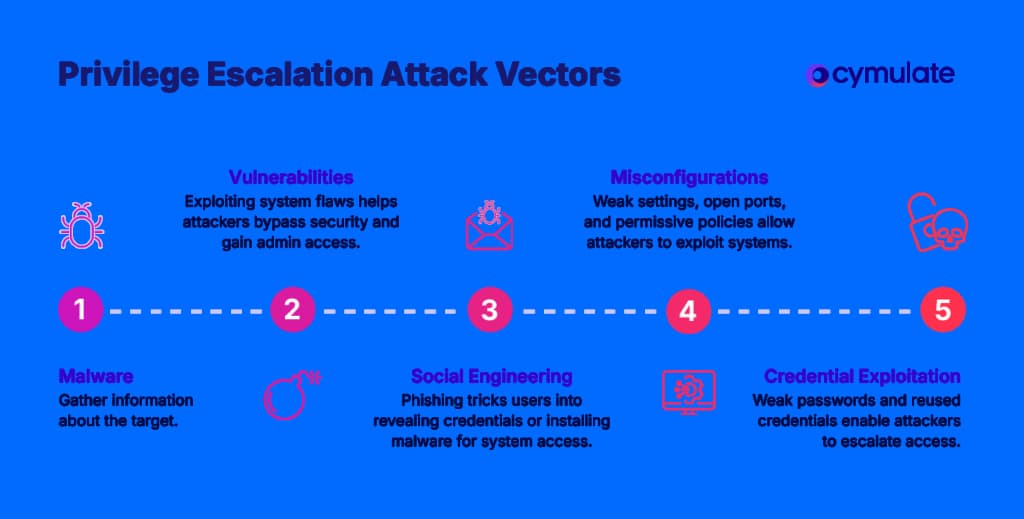
After gaining initial access, attackers often operate with limited permissions. Privilege escalation is the process of gaining higher levels of access, such as administrative or system level privileges.

This stage matters because elevated permissions allow an attacker to access sensitive files, disable security protections, install additional tools, and modify system configurations.
Escalation and persistence mechanisms

Why attackers seek higher privileges

  • Access sensitive files
  • Disable security protections
  • Install additional tools
  • Modify system configurations

Common causes of privilege escalation include misconfigured permissions, vulnerable software, and credential reuse. Attackers frequently search for these weaknesses soon after gaining access.

Diagram showing escalation from standard user privileges to administrator and system-level privileges through weak permissions, software flaws, and credential abuse.

Maintaining access after reboot or cleanup attempts

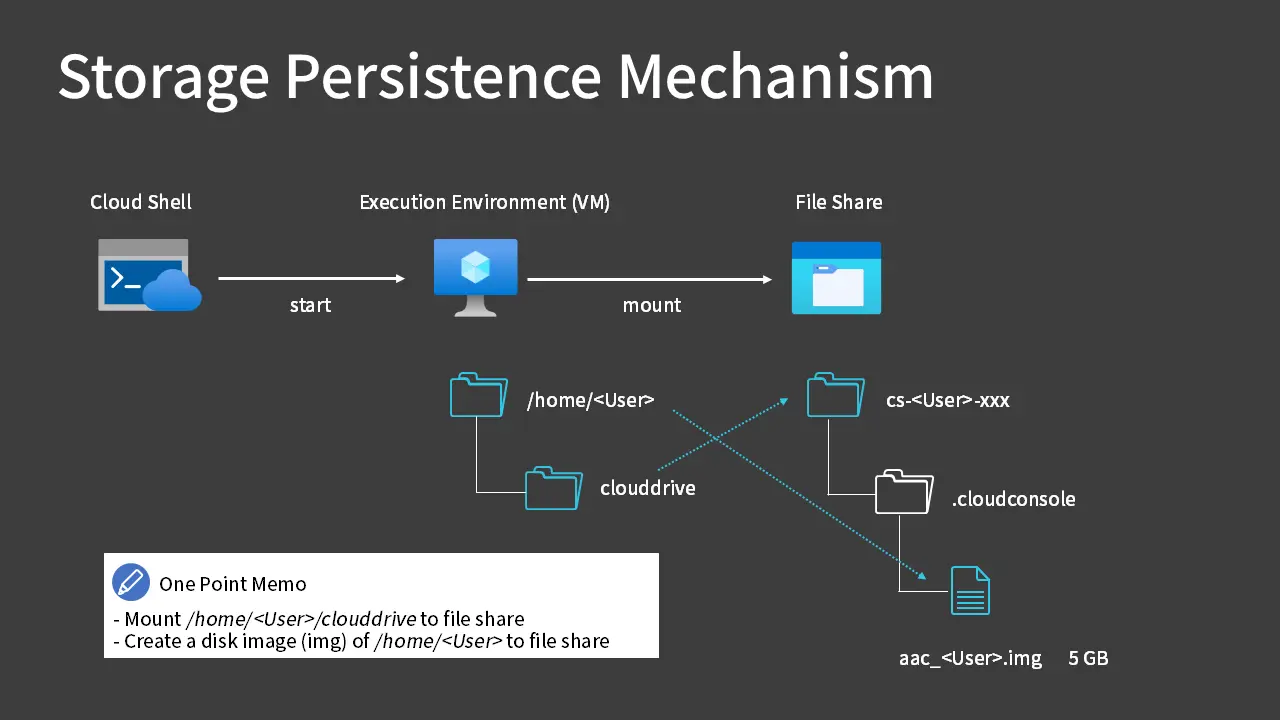
Persistence refers to the techniques attackers use to maintain access even after restarts or attempted removal. For example, they may create new accounts, modify startup processes, or install background services that automatically reconnect to external systems.

Diagram showing persistence mechanisms such as startup entries, scheduled tasks, new accounts, services, and reconnect behavior after reboot.

Defender response priorities

Detection and response priorities

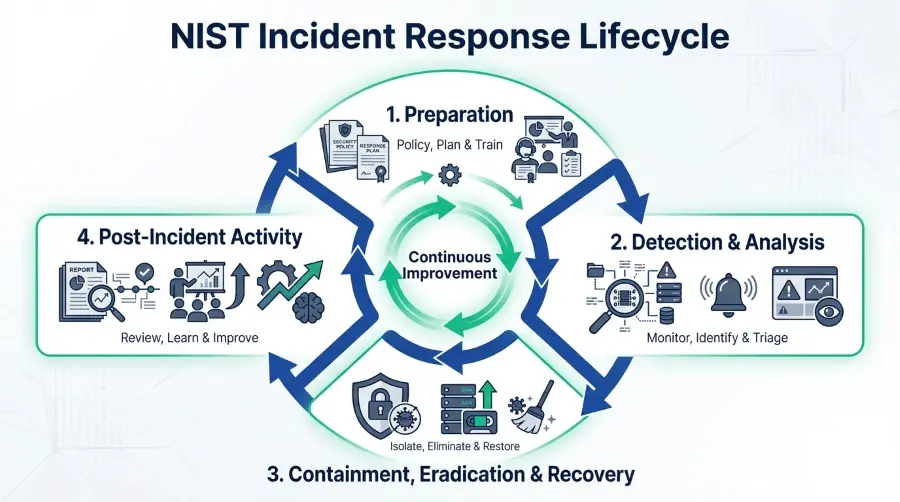
Detecting privilege escalation and persistence mechanisms is critical for defenders. Security teams often rely on log monitoring, behavioral analysis, and endpoint detection systems to identify suspicious account changes, service creation, startup modifications, or privilege-related events.

Graphic showing a defender workflow for escalation and persistence events, including log monitoring, EDR alerts, behavioral analytics, containment, and cleanup actions.