Stage 03

Execution transforms access into operational control.

This page explains why command execution matters, how attackers use system tools, and what defenders can watch for during early post-compromise activity.

Execution overview

Running commands on a compromised system

Once access is obtained, attackers often attempt to execute code or commands on the compromised system. This stage is about establishing operational control and beginning meaningful interaction with the environment.

Execution may involve running scripts, launching binaries, or using built in operating system tools. Many attackers prefer legitimate utilities because they blend in more effectively and may reduce detection risk.
Execution operations and detection

Execution is the beginning, not the end

Execution does not necessarily mean immediate damage or theft. It often marks the start of deeper exploration, such as gathering system information, enumerating accounts, and identifying vulnerabilities that support later stages of the intrusion.

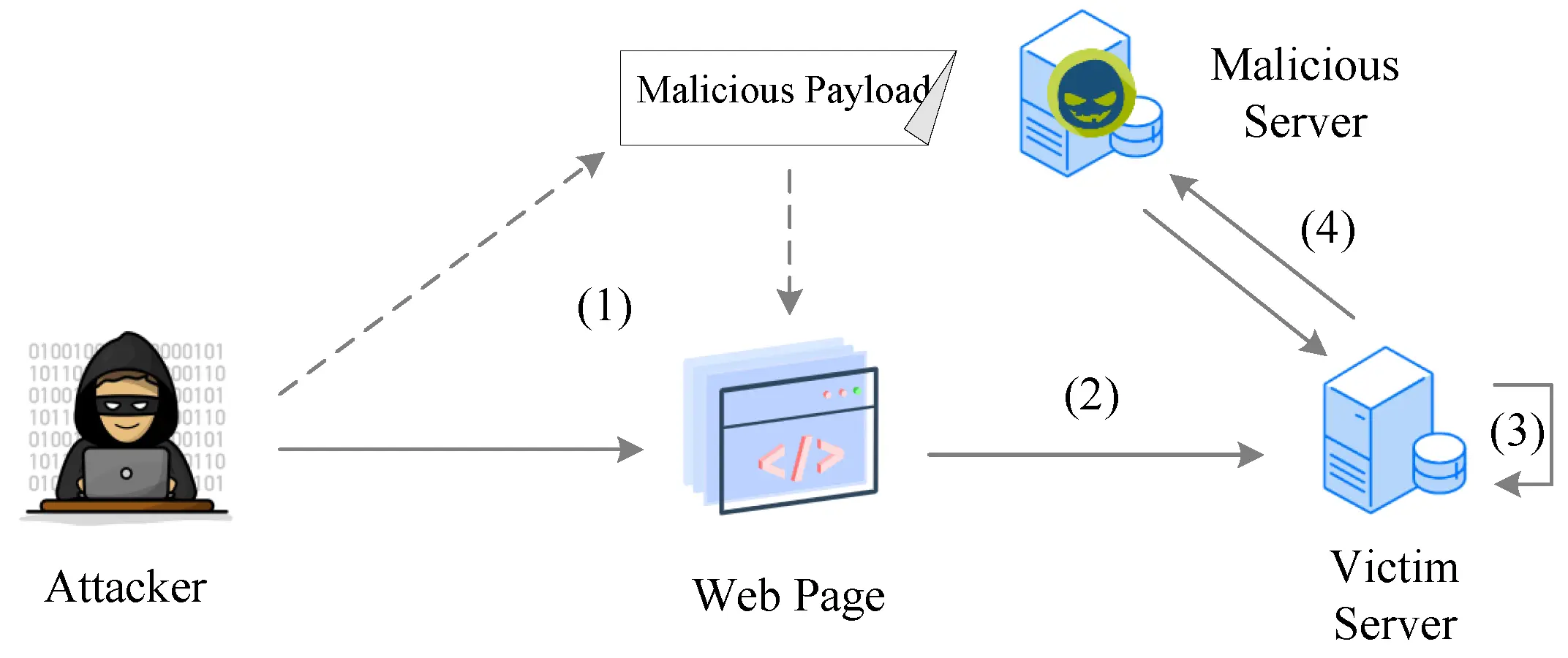
Diagram showing attacker tasking leading to local shell access, process creation, and system discovery actions on a compromised host.

Living off the land

Attackers may rely on built in tools to perform actions that look similar to normal administrative behavior. This is one reason defenders need behavioral context, not just static signatures.

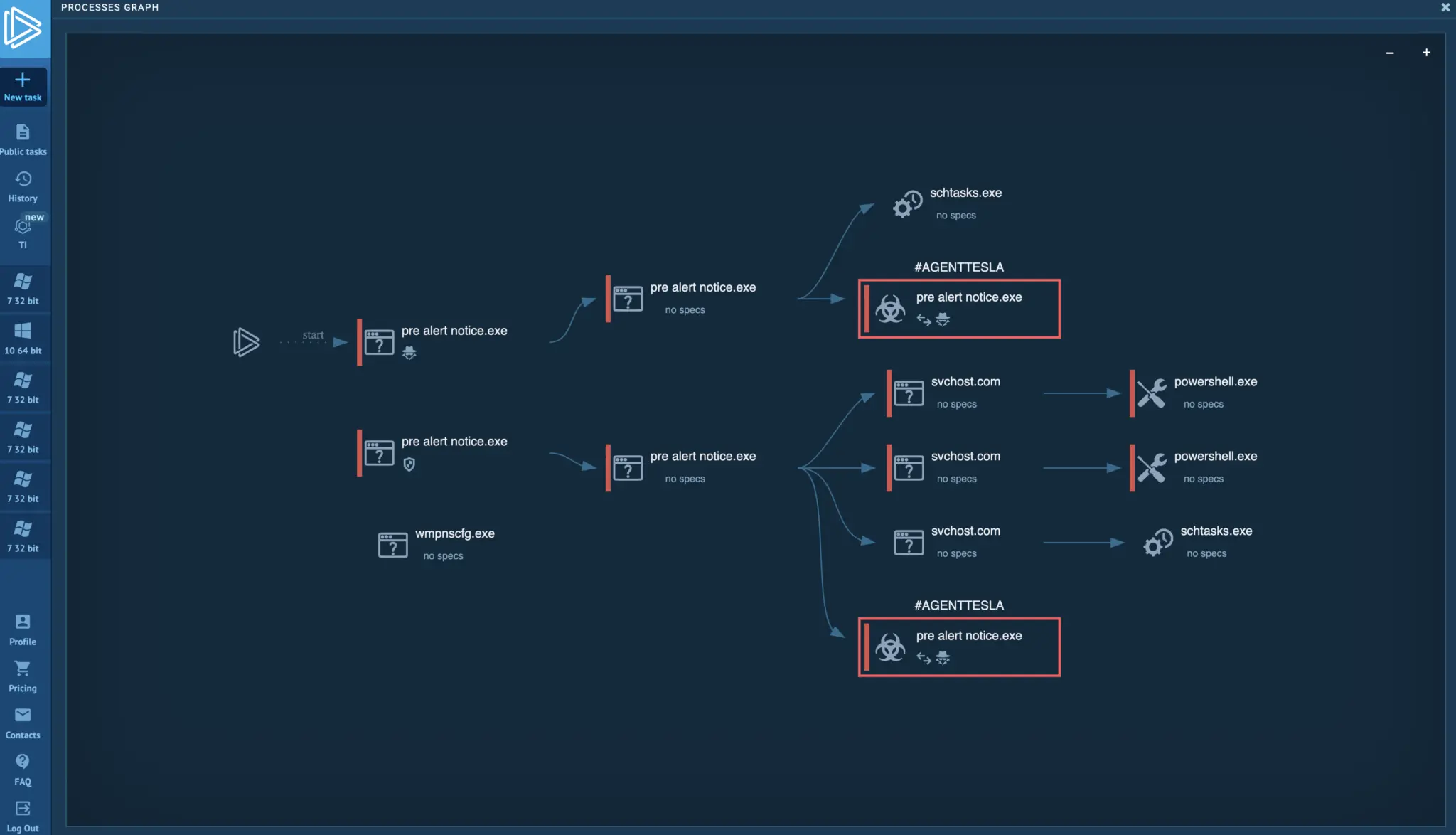
Graphic comparing a normal administrative process tree with suspicious abuse of native system utilities.